How to Structure Volleyball Practice for Maximum Improvement
Build volleyball practice plans that transfer to match day.
The difference between a team that peaks at the right time and one that plateaus often comes down to practice design, not just what drills you run, but how those drills are organized, how much time athletes spend touching the ball, and how closely training mirrors the demands of competition. Whether you’re building volleyball practice plans for a high school program or designing volleyball drills for beginners at the junior high level, the principles that drive effective practice remain the same.
Design for Transfer, Not Just Activity
Before writing a single drill on the whiteboard, effective coaches ask one question: Will what we do in practice transfer to competition?
It’s easy to fill practice time with activities that feel productive without actually preparing athletes for match situations. Research on skill acquisition tells us that abilities are specific to the task and environment in which they’re developed. The more closely your practice environment resembles competition, the better your athletes will perform when it counts.
This has direct implications for every element of your volleyball practice plans, from warm-ups to the final whistle. A defender who only practices digging balls tossed by a coach from a box will struggle when facing a real attack in a match, the speed, the visual cues from the hitter’s approach, the variability of where the ball goes, all of those elements were absent in practice. The more of those real-game elements we can incorporate into training, the better prepared our athletes will be.
Maximize Game-Like Reps
The single most correlative activity to being a good volleyball player is having played a lot of volleyball. Game-like repetitions, reps with the speed, visual cues, and variability of actual competition—are the most valuable thing you can provide your athletes. Every coaching decision about practice structure should push toward maximizing these quality reps.
When evaluating a drill, ask yourself: Does this look and feel like volleyball? Is the ball going over the net? Are players reading and reacting? If the answer is no, there may be a better use of your limited time.
One of the easiest gains is rethinking warm-ups. Instead of 15 minutes of jogging and stretching in circles, start with ball-handling activities. The drills don’t need to be intense, they can allow for a gradual warm-up, but those 15 minutes of ball contact add up significantly over a season. While other programs are running laps, your players are developing their skills.
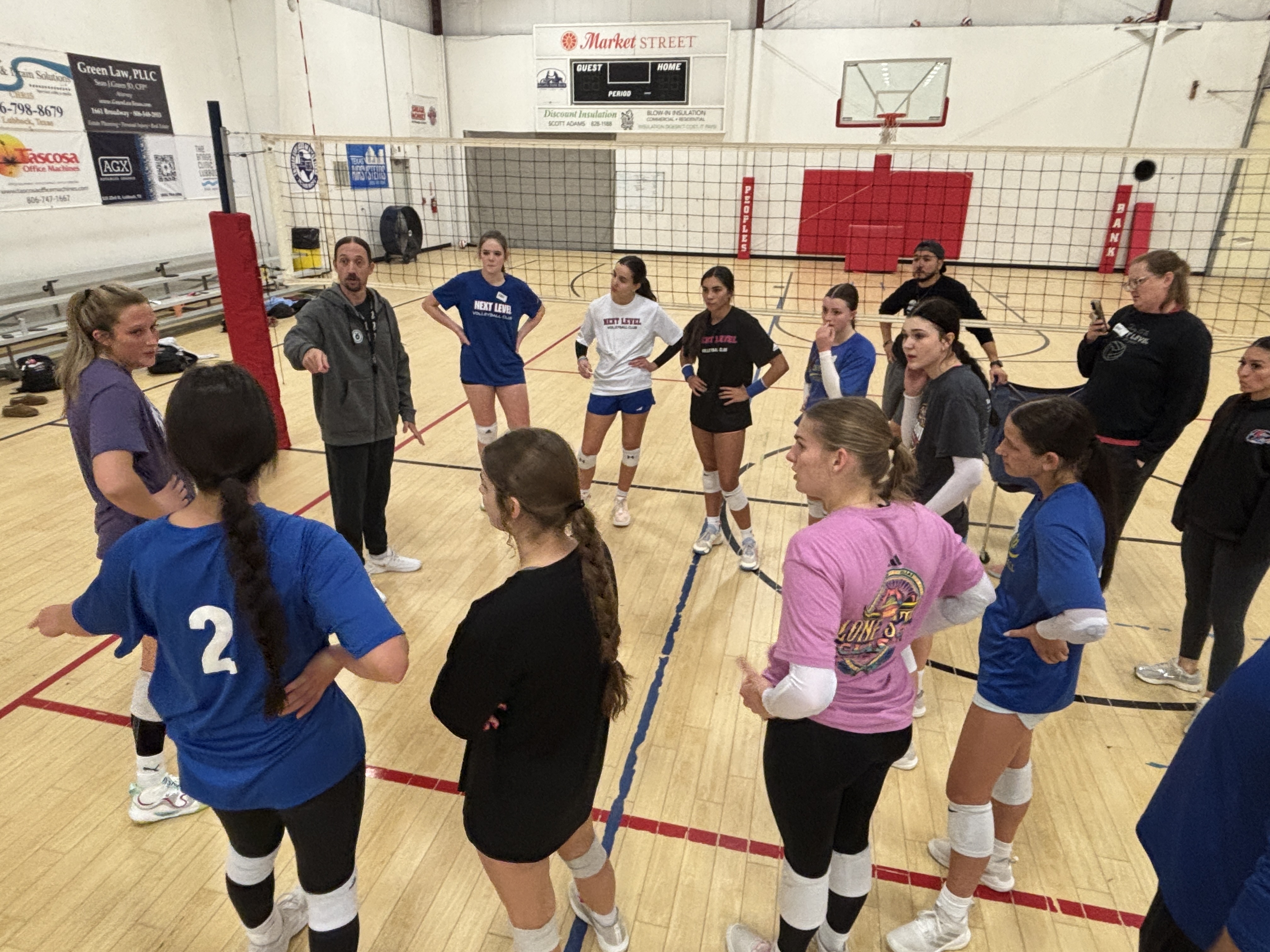
Another major gain comes from incorporating small-group activities like doubles and triples. When you split a team of twelve into three games of doubles, each player contacts the ball roughly three times as often as in six-on-six. Brief tutoring sessions, where one, two, or three players work with a coach on a specific skill, are another powerful tool. With fewer players, each athlete gets more reps and more targeted feedback. Consider starting or ending each practice with a short tutoring session focused on whatever skill needs the most attention.
Blocked vs. Random Practice
How you organize repetitions matters as much as the drills themselves. Random practice happens at game speed with game visuals and variability, essentially playing competitive volleyball. Blocked practice removes some element of the game environment, making it slower, more predictable, or isolated.
Both have their place. For true beginners in the cognitive stage of learning, some blocked practice helps them grasp a basic movement pattern. But once a player can barely perform the skill, increasing the randomness and game-like quality of practice is where real improvement happens.
The key concept is the challenge point: if a task is too easy, players aren’t learning; if it’s too difficult, they lose confidence. Effective practice design means adjusting difficulty so athletes succeed at a high rate while still being challenged enough to grow. When designing volleyball drills for beginners, lean slightly more toward structured reps at first, then shift toward random, game-like conditions as quickly as possible.
How You Communicate Shapes How Players Learn
Research on motor learning consistently shows that external focus cues, instructions that direct attention to the effect of a movement on the environment, produce better learning than internal focus cues directed at body parts. Telling a hitter to “push off the ground” focuses attention externally; “bend your knees” focuses it internally. External cues lead to better skill acquisition and retention.
Analogies are particularly effective. Telling an athlete to think about “cracking a whip” when hitting captures the movement pattern without directing attention to specific body parts.
On the feedback side, a common mistake is providing correction after every single repetition. While feedback is essential, overdoing it impairs development because athletes stop using their own senses to evaluate performance. Be deliberate about when you provide feedback and when you let athletes work through the learning process on their own. And remember: positive feedback is very motivating. Coaches should do everything in their power to increase the amount of it in practice.
Build Principles, Not Just a Drill Collection
It’s tempting to approach practice planning volleyball by collecting as many drills as possible from social media and coaching forums. But the most effective coaches don’t think about practice as a collection of activities. They think about it as a framework built on principles.
When you understand the principles behind effective practice design, you can evaluate any drill and immediately determine whether it belongs in your practice plan. You stop chasing trendy activities and start building a coherent, purposeful training environment. This is why at Gold Medal Squared, we focus on teaching coaches the principles behind great practice design rather than just handing out drill sheets. When you understand the “why,” the “what” becomes much easier to figure out.
These principles work at every level, from eighth graders touching a volleyball for the first time to college teams preparing for a conference tournament. What changes is the complexity, speed, and depth of tactical work. The foundational approach to building a productive, transfer-focused training environment stays the same.
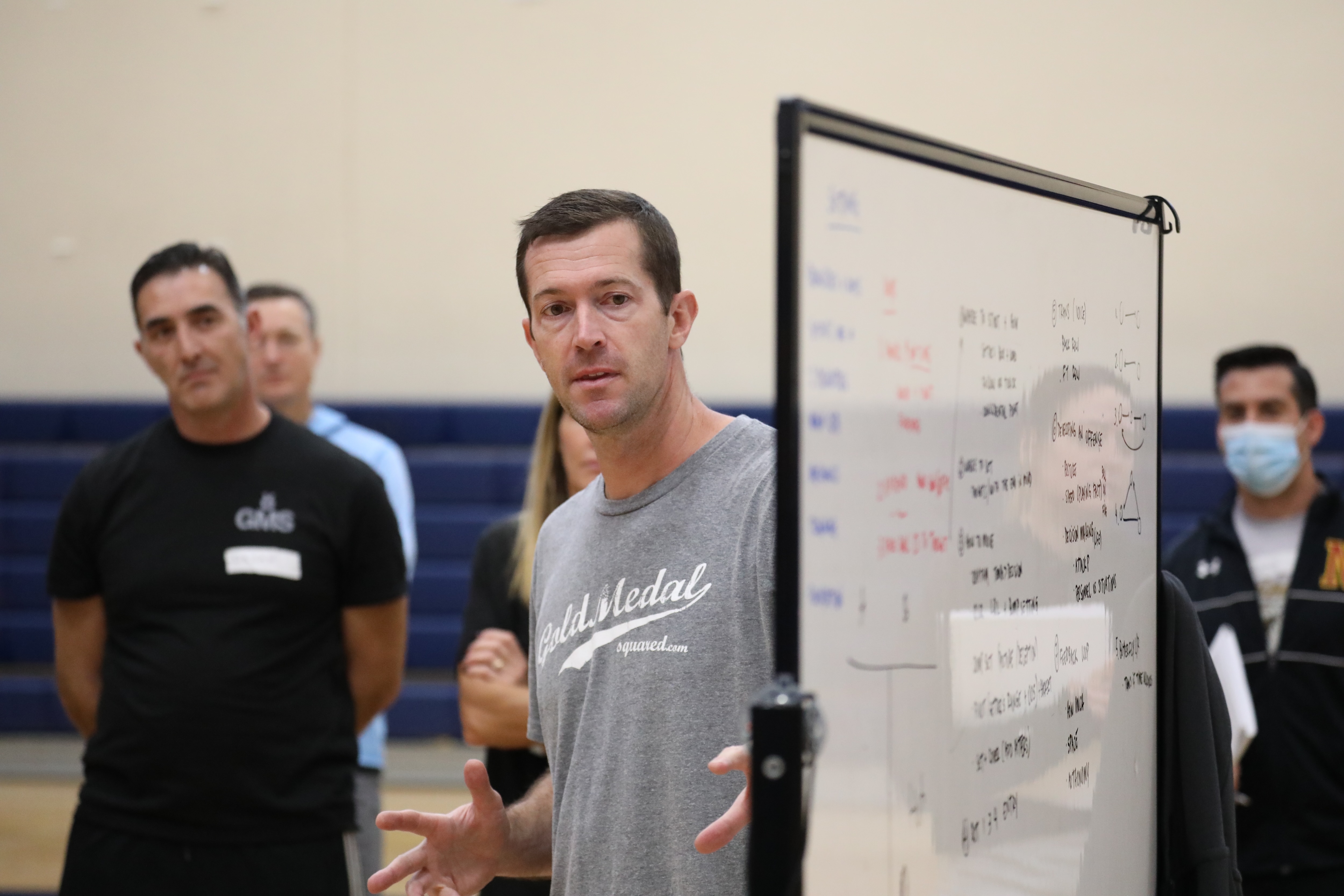
One final practical tip: use a whiteboard. Writing the practice plan where athletes can see it promotes more efficient transitions between drills, helps players prepare physically and emotionally for upcoming activities, and keeps scores visible during competitive segments. It’s a small tool that makes a meaningful difference in how smoothly a practice runs.
Go Deeper Into Practice Design
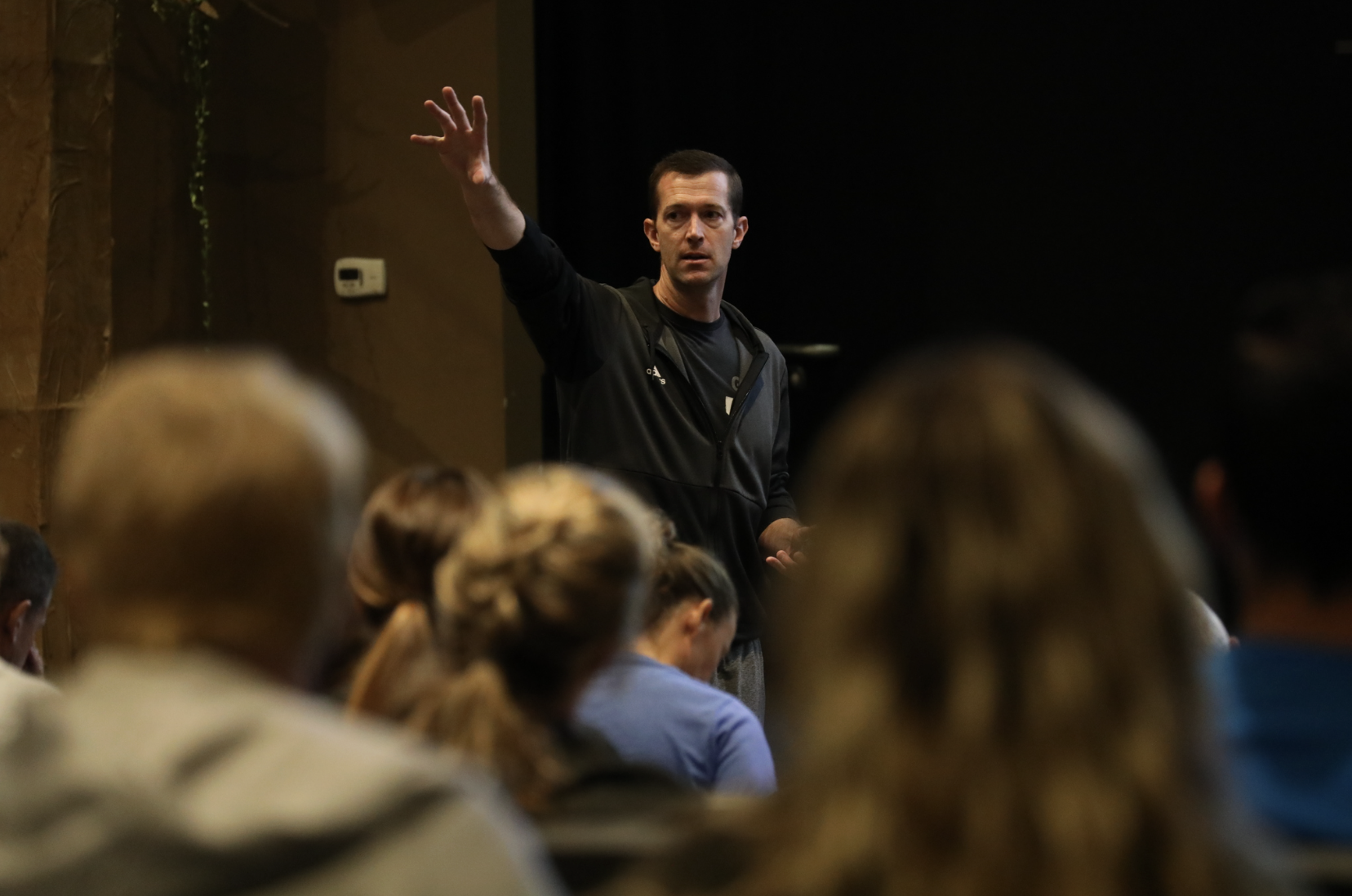
The ideas in this article are just the beginning. At a Gold Medal Squared coaching clinic, coaches dive into the science of skill acquisition, practice design, and the coaching decisions that drive real improvement. Our clinics combine classroom instruction with on-court demonstration, so you leave with practical tools you can implement in your very next practice.
Whether you’re looking for in-person volleyball coaching clinics or prefer to learn through GMS+, our online coaching education platform, we have resources designed to help coaches at every level build better volleyball practice plans grounded in proven principles.
View Upcoming Coaching Clinics | Explore GMS+ Online Resources
Gold Medal Squared has been helping coaches build championship-level programs since 1982. Our methods are backed by Olympic coaches, research, and an incredible track record at every level of play.